Artisanal and commercial fisheries form the cultural and economic backbone of island communities across the Caribbean. In archipelagos comprising multiple cays and out-islands, fishermen frequently operate far from centralized electrical grids. When high diesel costs make continuous refrigeration prohibitive, post-harvest spoilage reduces market value and strains local food systems.
The Economic Cost of a Broken Cold Chain
According to the Food and Agriculture Organization (FAO), post-harvest losses in tropical small-scale fisheries can exceed 20% to 30% due to inadequate thermal management between catch and commercial delivery. In remote island landings, ice is often imported by boat at premium prices or manufactured using fuel-hungry diesel generators subject to frequent mechanical downtime.
When fishermen lack guaranteed access to affordable ice at landing docks, they are forced to sell their catch immediately at distressed wholesale prices, losing substantial margins to intermediary distributors with refrigerated transport.
“Equipping island fishing communities with solar-powered ice generation transforms raw perishable catch into high-value, grade-A product that commands fair market value in local resorts and export channels.”
Decentralized Solar Ice Infrastructure
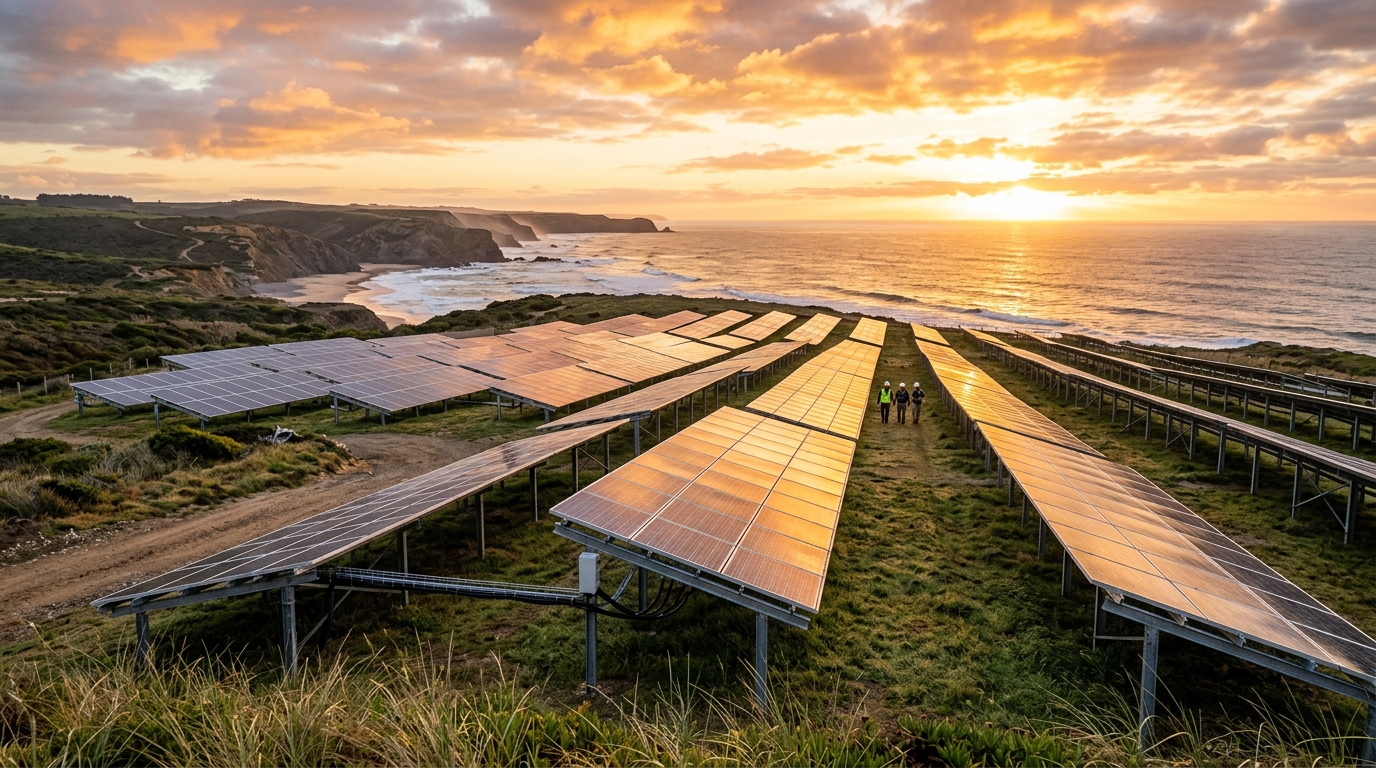
Technological breakthroughs in variable-speed solar refrigeration, thermal energy storage (ice banks), and containerized micro-plants have made off-grid cold chains technically robust and financially viable:
- Thermal Ice Storage Systems: Instead of relying entirely on heavy lithium batteries, excess midday solar power is directly converted into flake or block ice, storing thermal energy in frozen water for overnight distribution.
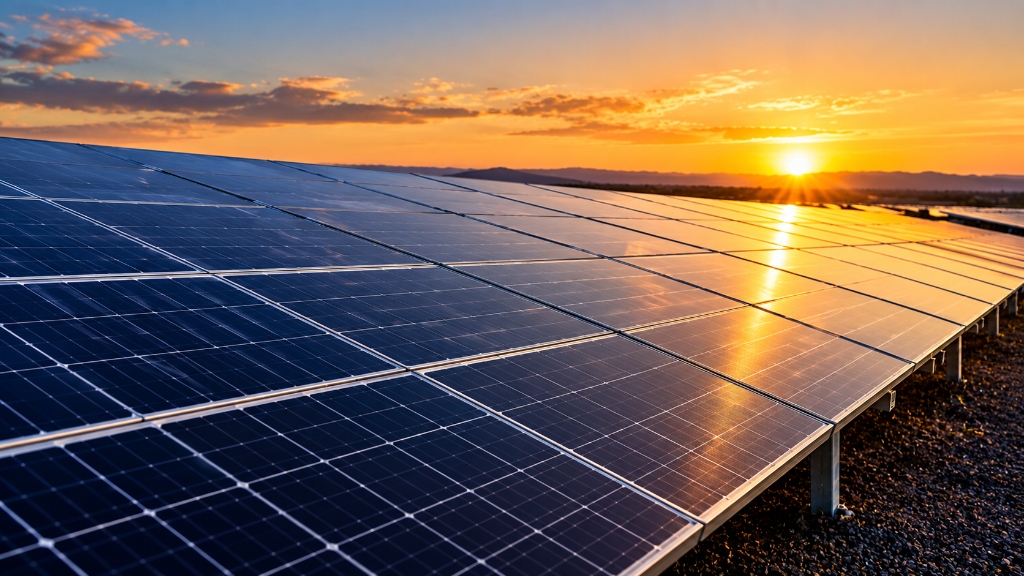
- Containerized Modular Flake Plants: Self-contained 20-foot shipping containers fitted with rooftop photovoltaic arrays capable of producing 1 to 5 metric tons of food-grade ice daily directly at the dock.
- Solar Cold Rooms: Insulated walk-in storage maintained between 0°C and 4°C powered by dedicated DC compressors, ensuring continuous chilling even during grid power interruptions.
Strengthening Island Food Security and Coastal Resilience
Deploying solar cold chains across island fishing cays unlocks multifaceted strategic returns:
- Empowering Local Fishers: Retains economic value locally by allowing fishers to store, process, and negotiate prices on their own schedule rather than selling under distress.
- Hospitality Supply Linkages: Connects local seafood harvest directly to high-end resorts and restaurants with traceable, uninterrupted cold-chain compliance.
- Fuel Independence: Eliminates reliance on imported diesel for ice production, shielding local maritime economies from volatile fuel commodity prices.
- Catch Loss Prevention: Eliminates 20%–30% post-harvest fish spoilage at remote landing sites.
- Thermal Energy Storage: Converts surplus midday solar generation directly into ice, minimizing battery storage overhead.
- Direct Resort Linkages: Enables artisanal fishers to supply premium hospitality markets with food safety certifications.
- Food and Agriculture Organization (FAO): Post-Harvest Fish Loss Assessment in Small-Scale Fisheries.
- International Renewable Energy Agency (IRENA): Renewable Energy for Agri-Food Systems: Sustainable Cold Chains and Solar Cooling.
- Caribbean Regional Fisheries Mechanism (CRFM): Strategic Assessment of Value Chain Optimization in Caribbean Marine Capture Fisheries.