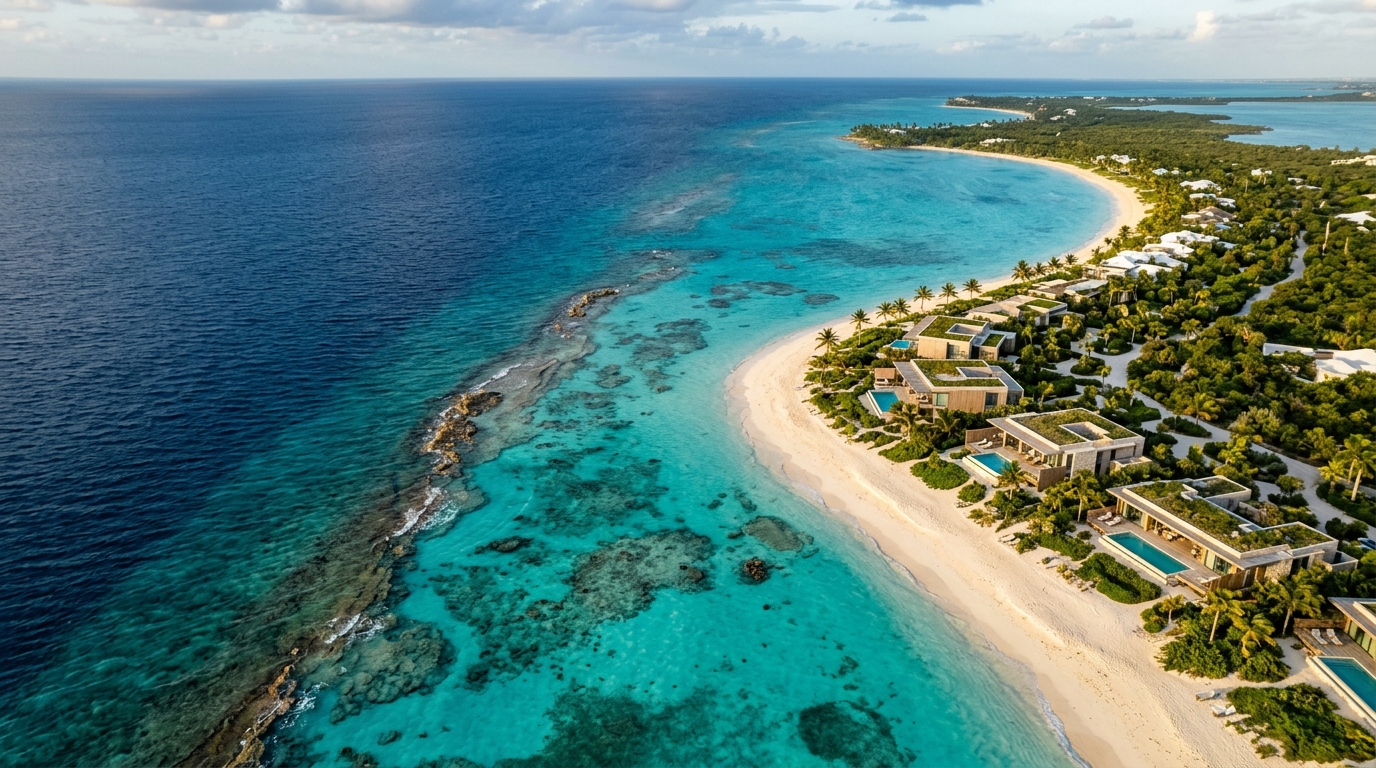
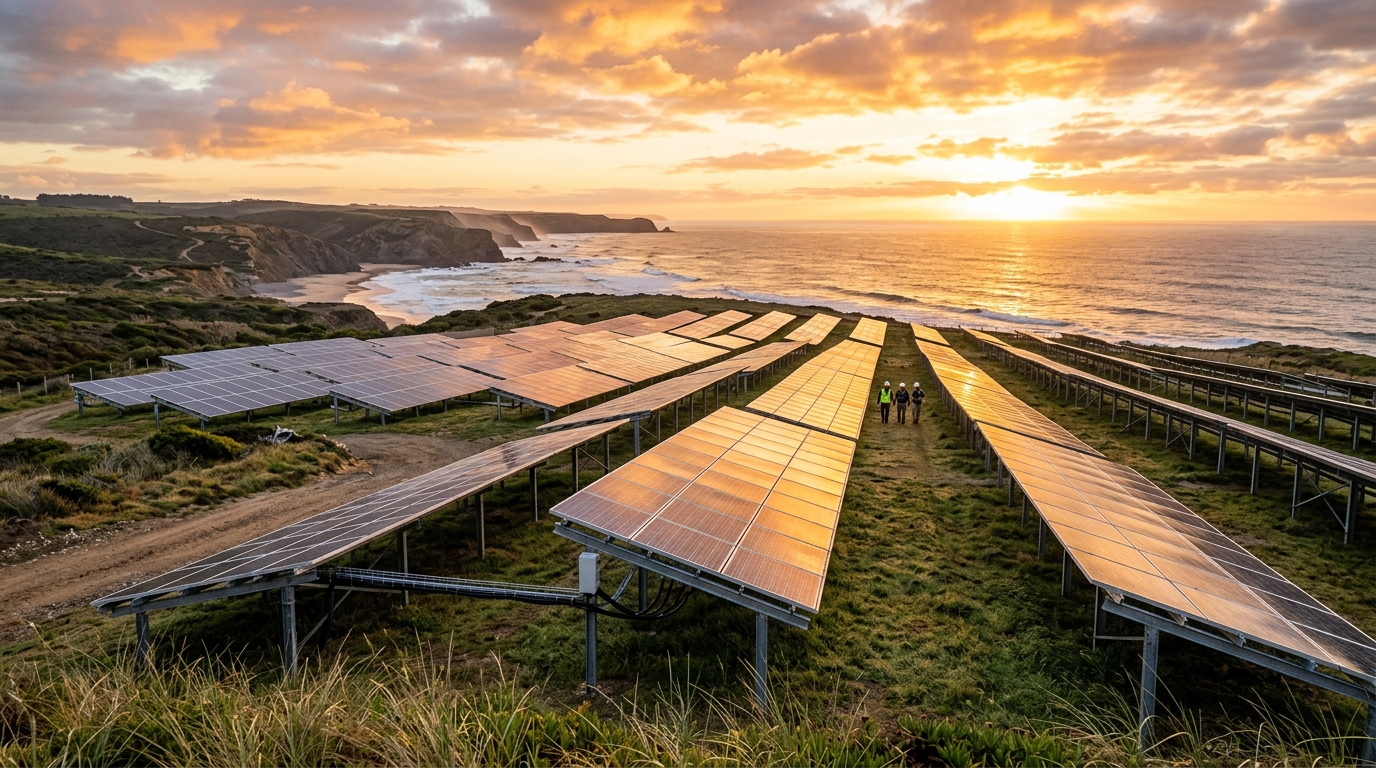
Island economies have long confronted a painful structural paradox: they enjoy some of the highest solar irradiance levels on the planet, yet remain heavily tethered to imported Heavy Fuel Oil (HFO) and diesel generation. This reliance exposes island businesses and families to global fuel price spikes—often pushing retail electricity tariffs above $0.35 to $0.48 per kWh—while single-point centralized grids remain highly susceptible to catastrophic storm disruptions.
Global Benchmarks: Islands Leading the Clean Energy Transition
From Kauai in the Hawaiian archipelago to isolated cays in the South Pacific, forward-thinking island regions have demonstrated that centralized fossil-fuel power grids are obsolete for island geography. By deploying decentralized solar arrays paired with utility-scale Lithium Iron Phosphate (LiFePO4) Battery Energy Storage Systems (BESS), these islands have integrated high shares of renewable generation into daily grid demand while mitigating fuel price volatility.
Rather than relying on a single, vulnerable power plant and miles of exposed overhead transmission cables, distributed generation spreads energy production across commercial rooftops, carports, and community hubs.
Decentralized Architecture & Autonomous Grid Islanding
The critical breakthrough making distributed systems indispensable for hurricane-prone regions is autonomous islanding (IEEE 1547.4 compliance).
When a major storm or transmission fault knocks out the central utility line, smart inverters and fast-acting Automatic Transfer Switches (ATS) instantly decouple the local microgrid from the damaged grid. Within milliseconds, the facility continues operating seamlessly as a self-sustaining energy island—guaranteeing continuous, uninterrupted power for critical lifelines such as hospitals, cold-storage food logistics, water desalination plants, and telecommunications towers.
“For island communities, energy independence is not merely an environmental goal—it is the indispensable baseline for economic resilience and continuous business operations during extreme weather events.”
The Commercial Dividend for Turks & Caicos and the Caribbean
Across Providenciales and the family islands of Grand Turk, North Caicos, and South Caicos, power reliability directly determines economic resilience. High commercial electricity rates act as a quiet drag on local entrepreneurship, while major storms pose ongoing risks to centralized utility infrastructure.
Accelerating the rollout of distributed solar microgrids across commercial properties, resorts, and institutional facilities delivers decisive strategic dividends:
- Long-Term Tariff Hedging: Solar + BESS levelized cost of energy (LCOE) provides long-term price certainty, decoupling commercial operations from volatile international fuel benchmarks.
- Zero Business Interruption: Hospitality and retail operations avoid crippling revenue losses and diesel generator maintenance costs during grid outages.
- Modular Scalability: Distributed solar capacity grows organically as properties expand, without requiring massive public utility debt or centralized infrastructure spending.
- Price Stability & Fuel Hedging: Solar + BESS stabilizes levelized power costs and reduces exposure to international oil volatility.
- Zero-Downtime Islanding: Automatic decoupling preserves uninterrupted power during catastrophic grid blackouts.
- Modular Scalability: Distributed capacity scales incrementally with commercial growth without requiring massive utility debt.
- IEEE Standard 1547.4: Guide for Design, Operation, and Integration of Distributed Resource Island Systems with Electric Power Systems.
- National Renewable Energy Laboratory (NREL): Island Energy Transition Case Studies on Distributed Solar and LiFePO4 Storage Integration.
- Caribbean Centre for Renewable Energy and Energy Efficiency (CCREEE): Regional Energy Resilience Reports for Small Island Developing States (SIDS).