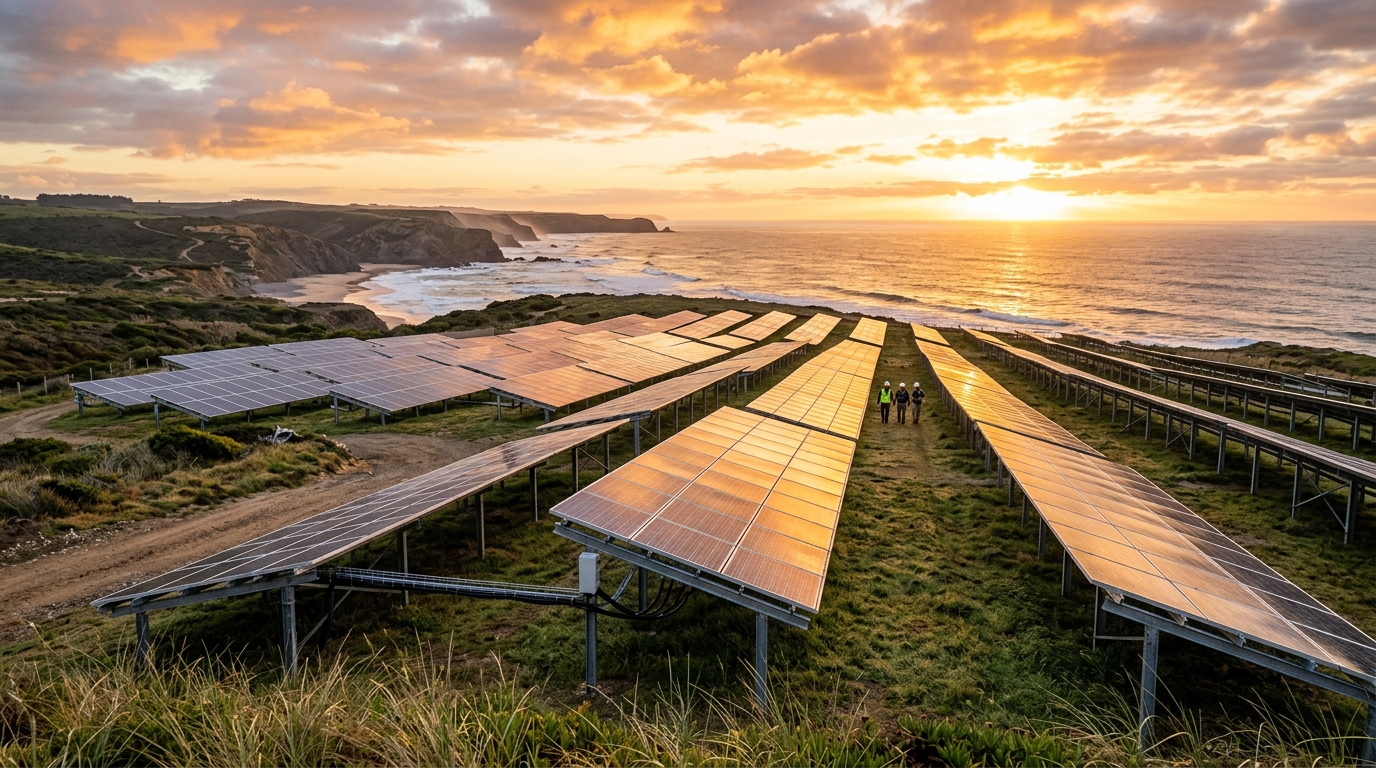
Small island territories are often surrounded by boundless ocean waters while experiencing persistent vulnerabilities in potable drinking water supply. While centralized Seawater Reverse Osmosis (SWRO) remains the indispensable bulk supplier, distribution pipelines remain exposed to hurricane damage, power blackouts, and distribution line breaks. Yet the Caribbean atmosphere holds millions of gallons of vaporized freshwater carried by constant trade winds.
Harvesting Water From Ambient Ocean Air
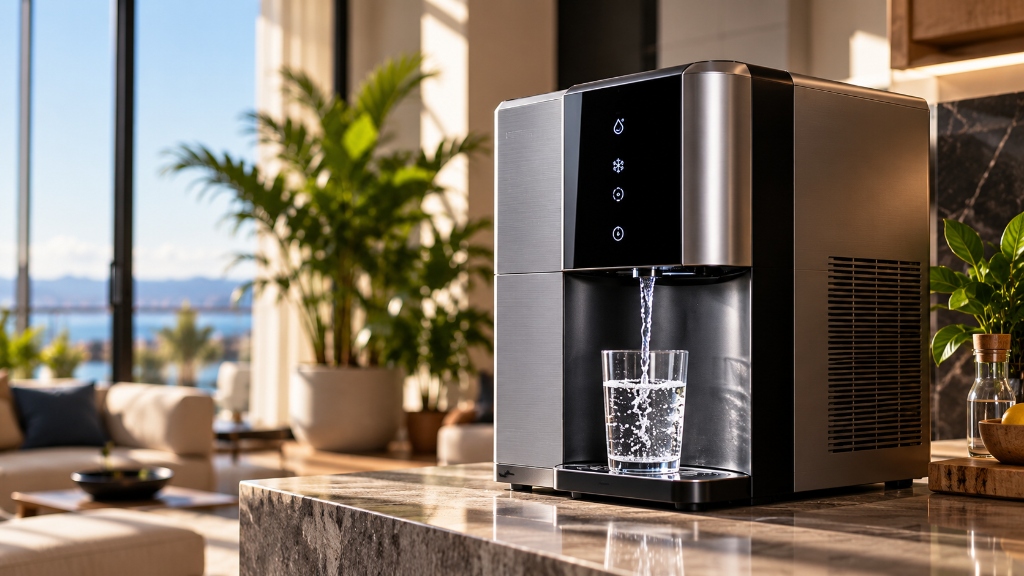
Atmospheric Water Generation (AWG) utilizes thermodynamic condensation cycles or advanced hygroscopic sorbent materials to extract moisture directly from ambient air, followed by multi-stage sediment filtration, UV sterilization, and essential mineral re-infusion.
In tropical maritime environments where average ambient temperatures hover between 26°C to 32°C (78°F–90°F) and relative humidity consistently exceeds 70% to 85%, AWG systems operate at maximum thermodynamic efficiency, generating substantial daily potable yields with lower specific energy consumption than in arid climates.
“Atmospheric water generation creates an independent layer of utility resilience. When storm events disable centralized pipelines, having localized water production ensures that clinics, shelters, and essential facilities never run dry.”
Strategic Use Cases in Island Architecture
Rather than competing with bulk seawater desalination for municipal irrigation or sanitation, AWG fills vital high-value niches:
- Disaster-Resilient Emergency Reserves: Solar-paired AWG units at emergency shelters, medical clinics, and command centers produce reliable drinking water completely independent of municipal grid power and municipal water mains.
- Eliminating Plastic Bottled Water: Commercial hotels, luxury villas, and corporate offices utilize on-site AWG bottling stations to produce ultra-pure, mineralized drinking water, directly eliminating thousands of single-use imported plastic bottles.
- Remote Cays & Off-Grid Residences: In locations where undersea pipelines or water trucking are logistically unfeasible, rooftop AWG units provide a continuous, high-quality potable source.
Technological Frontiers: Solar Sorbent Materials
Next-generation AWG technology is moving beyond traditional mechanical refrigeration chillers toward passive metal-organic frameworks (MOFs) and specialized desiccants that desorb water vapor using low-temperature solar thermal energy. This shift promises to lower energy requirements significantly, expanding feasibility for low-power off-grid installations.
- Independent Potable Supply: Generates certified pure drinking water on-site without dependence on municipal distribution pipes.
- Plastic Bottle Eradication: Enables hospitality properties to bottle ultra-pure mineralized water in reusable glass vessels.
- Disaster Contingency: Maintains life-critical drinking supplies at emergency shelters and clinics during extended post-hurricane recovery.
- World Meteorological Organization (WMO): Atmospheric Moisture Dynamics and Non-Conventional Water Resources in Tropical Small Island States.
- NSF International Standard 418: Drinking Water Treatment Units — Atmospheric Water Generators (AWG).
- Journal of Water Process Engineering: Thermodynamic and Economic Evaluation of Solar-Powered Atmospheric Water Harvesters in High-Humidity Maritime Climates.