
In low-lying tropical islands, high-intensity rainfall events are a frequent reality. As commercial and residential development accelerates across coastal shorelines, the rapid expansion of traditional non-porous asphalt, sealed concrete driveways, and expansive roofs disrupts natural hydrological cycles. When water cannot infiltrate the ground, it pools on roadways, overwhelms storm drains, and rushes directly into coastal lagoons.
The Urban Runoff Threat to Coral Reefs
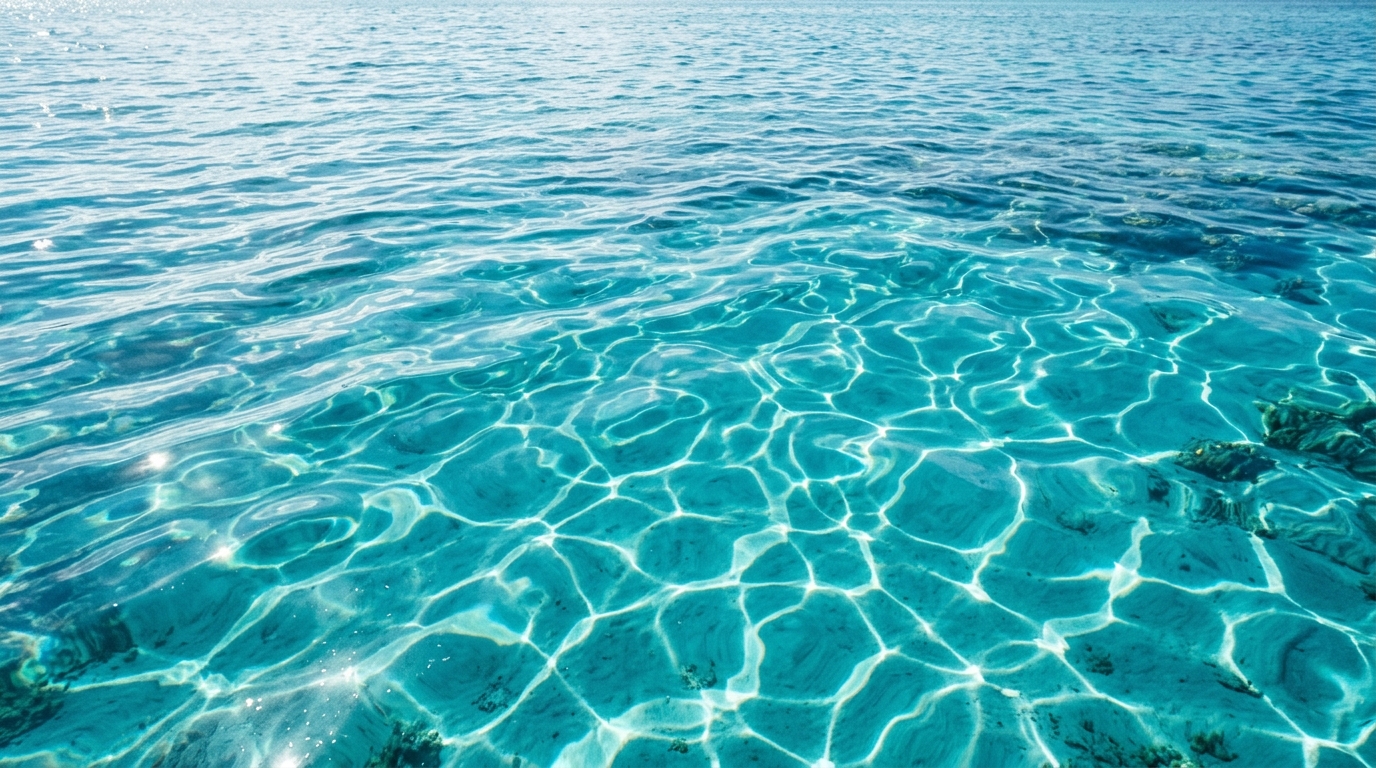
Stormwater runoff from sealed surfaces carries petroleum hydrocarbons, tire microplastics, fine construction dust, and excess fertilizers straight into nearshore waters. For coral reef ecosystems and crystal-clear turquoise shorelines—the very foundation of the island's tourism economy—this turbid runoff blocks vital sunlight and introduces nutrients that trigger damaging algal blooms.
Furthermore, in limestone archipelagos where freshwater lenses depend entirely on rainfall percolation, sealing large land tracts with impervious surfaces prevents natural aquifer recharge, worsening long-term groundwater salinity.
“Sustainable island architecture must design for the entire water journey. Every square meter of permeable surface is both an insurance policy against urban flooding and a protective barrier for our living coral reefs.”
Engineered Permeability Solutions
Transitioning from hard, sealed surfaces to permeable civil design involves established, high-performance engineering systems:
- Porous Concrete & Asphalt: Engineered with omitted fine aggregates, creating an interconnected matrix of voids that allows rainwater to drain through at rates exceeding hundreds of inches per hour into an underlying stone recharge bed.
- Permeable Interlocking Concrete Pavers (PICP): Architecturally refined pavers with open joint spaces filled with crushed aggregate, combining luxury resort aesthetics with immediate stormwater infiltration.
- Vegetated Bioswales & Rain Gardens: Gently sloped landscape depressions planted with native salt-tolerant flora that slow, filter, and absorb heavy runoff while beautifying streetscapes.
Infrastructure Longevity and Development Value
Integrating permeable systems delivers tangible asset protection and commercial benefits:
- Elimination of Standing Water & Potholes: By eliminating surface pooling, permeable pavements prevent subsurface erosion and reduce asphalt cracking during tropical heat cycles.
- Lower Stormwater Infrastructure Costs: Reduces or eliminates the need for expensive underground concrete piping, large retention ponds, and mechanical pumping stations.
- Natural Aquifer Replenishment: Filters and returns clean rainwater into shallow groundwater tables, maintaining critical hydrological balances.
- Reef Clarity Protection: Prevents sediment plumes and urban contaminants from washing into nearshore marine habitats.
- Natural Aquifer Infiltration: Facilitates rainwater percolation into subterranean freshwater lenses.
- Flood Hazard Mitigation: Absorbs high-volume tropical squall precipitation at point of contact.
- American Society of Civil Engineers (ASCE): Permeable Pavements: Design, Construction, and Maintenance Standards.
- US Environmental Protection Agency (EPA): Low Impact Development (LID) Stormwater Management in Coastal Environments.
- Coral Reef Alliance & UNEP: Managing Land-Based Sources of Pollution to Protect Coastal Coral Ecosystems.